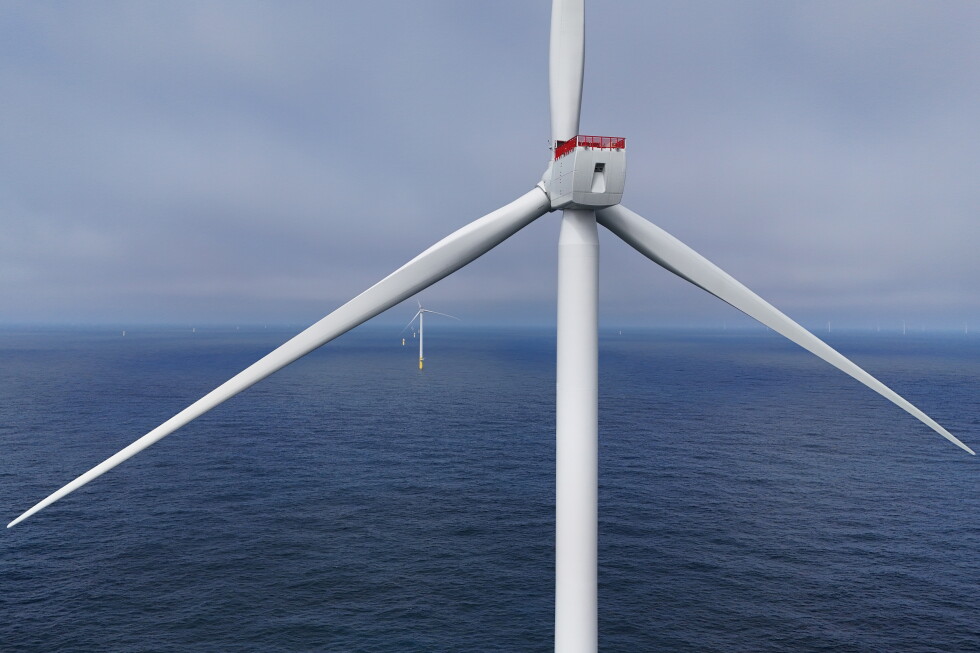
The Trump administration has reached a 1.2 billion dollar settlement with German energy giant RWE U.S. Offshore to buy back wind leases off the coasts of New York, California, and Louisiana. By walking away from these projects, the company is relinquishing plans for roughly seven gigawatts of power, which would have potentially supplied electricity to over five million homes. RWE stated that despite years of investment and coordination with federal agencies, they saw no viable path toward securing permits for the projects in the current political climate.
This deal marks part of a broader effort by President Trump to dismantle the growth of offshore wind energy in favor of traditional fossil fuels. To date, the administration has spent nearly 4 billion dollars on similar buybacks after federal courts blocked attempts to halt wind development via executive order. As part of its pivot away from renewables, RWE announced it will invest 900 million dollars into a liquefied natural gas project in Louisiana and another 300 million into natural gas turbines, adding to its growing portfolio of fifteen gas projects across the country.
Interior Secretary Doug Burgum defended the move as a return to common sense and energy security, arguing that the nation should rely on dependable baseload power rather than costly subsidies for emerging technologies. However, critics like Senator Sheldon Whitehouse have slammed the strategy as a calculated scam designed to benefit fossil fuel donors at the expense of taxpayers. Whitehouse argued that paying companies to abandon clean energy creates a massive financial drain on consumers while driving up long term utility costs.
The aggressive shift in policy continues to spark legal battles between the federal government and several states. California has already indicated its intention to sue over the loss of potential green energy infrastructure. Meanwhile, a separate victory for renewable advocates occurred Thursday when a federal judge in Oregon ordered the Pentagon to resume stalled national security reviews for onshore wind farms on private land, signaling ongoing friction between different branches of government regarding America’s energy transition.